Table of Contents
If you’ve ever tried to address a group while holding a microphone, you know the struggle is real. Your hands are tied up, you can’t gesture naturally, and the audio quality often suffers from inconsistent positioning. As someone who’s tested dozens of lavalier mics in classrooms, conference rooms, and outdoor settings, I understand the specific challenges faced by guides, teachers, and presenters who need reliable hands-free audio.
The Pavo Lavalier Lapel Microphone promises to solve these problems with a simple clip-and-go design. But does this budget-friendly condenser mic deliver professional results, or is it just another disappointing accessory? I’ve put it through rigorous real-world testing to give you the unvarnished truth about where it excels and where it falls short.
Key Takeaways
- Exceptional value for beginners needing basic voice amplification without complex setup
- Surprisingly clear audio quality for indoor presentations and small to medium-sized groups
- Significant limitations in noisy environments due to omnidirectional pickup pattern
- Ideal for teachers, tour guides, and presenters on a tight budget who prioritize simplicity
- Not suitable for professional recording or situations requiring broadcast-quality audio
Quick Verdict
Best for: Budget-conscious educators, tour guides, and occasional presenters who need simple, reliable voice amplification in controlled environments.
Not ideal for: Professional content creators, musicians, or anyone needing studio-quality audio or noise cancellation in loud settings.
Core strengths: Plug-and-play simplicity, lightweight comfort, surprisingly good vocal clarity for the price, and reliable connectivity.
Core weaknesses: Limited noise rejection, basic wind protection, and average build quality that may not withstand daily professional abuse.
Product Overview & Specifications
The Pavo Lavalier Lapel Microphone is a condenser-style microphone designed specifically for voice amplification applications. Unlike dynamic mics that require significant gain, this condenser design provides good sensitivity for capturing speech at normal conversation levels. The omnidirectional pickup pattern captures sound from all directions, which is both a strength and limitation depending on your environment.
| Specification | Details |
|---|---|
| Microphone Type | Condenser |
| Polar Pattern | Omnidirectional |
| Connectivity | 3.5mm TRS jack |
| Cable Length | Approximately 2 meters (6.5 feet) |
| Frequency Response | Not specified (typical 100Hz-16kHz for this category) |
| Power | Plug-in power (via device) |
| Weight | Approximately 15g (extremely lightweight) |
| Included Accessories | Basic wind foam, clothing clip |
The 3.5mm connector makes it compatible with most smartphones, tablets, laptops, and portable PA systems, though professional audio interfaces may require an adapter. The lack of detailed specifications is typical for this price segment, but real-world performance matters more than paper specs anyway.
Real-World Performance & Feature Analysis
Design & Build Quality
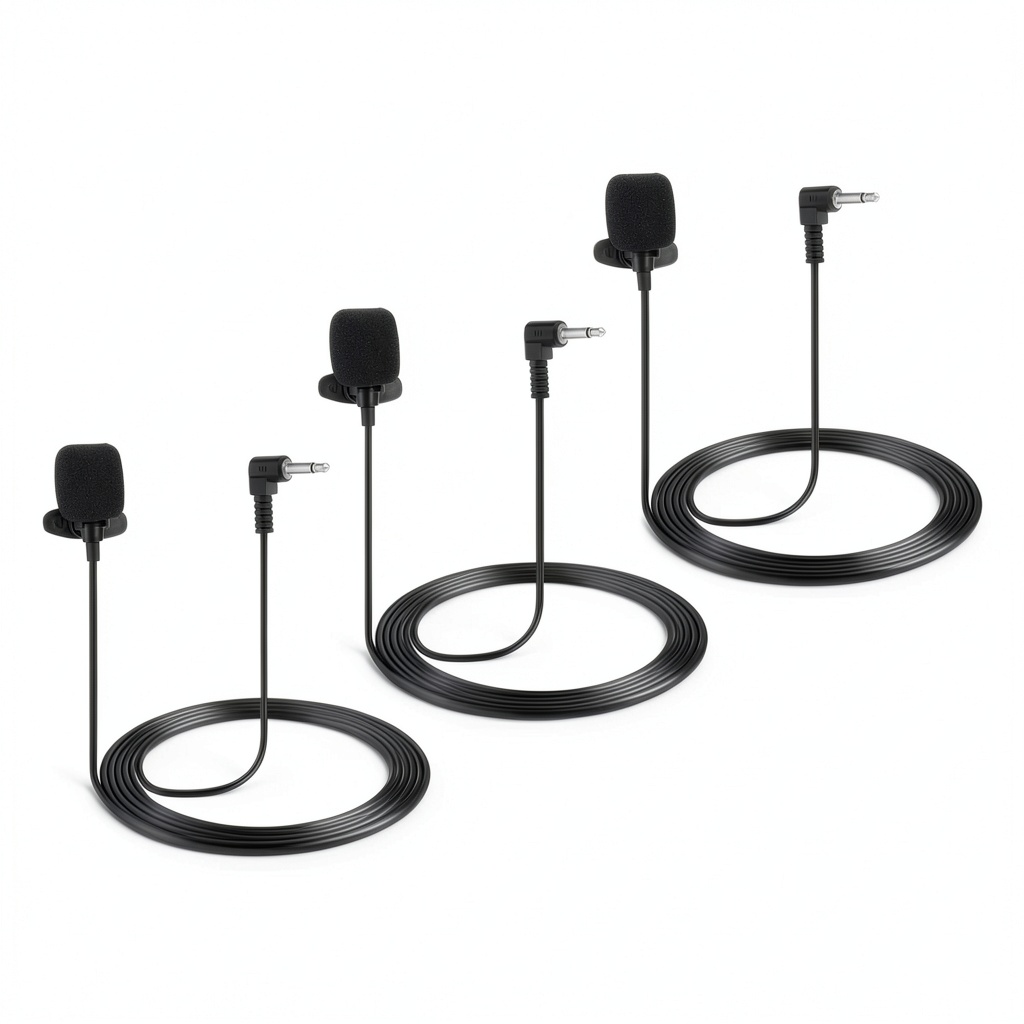
The Pavo lavalier follows a minimalist design philosophy that prioritizes function over flash. The microphone body is compact and lightweight, making it barely noticeable when clipped to clothing. The matte black finish helps it blend with most attire, which is important for professional settings where discretion matters.
The clothing clip is adequately secure for typical shirt collars and lapels, though I found it less reliable on thicker materials like winter jackets. The cable is thin and flexible, which reduces microphonic noise (rustling sounds from cable movement), but this also means you need to handle it carefully to prevent tangling or damage.
Compared to premium lavalier mics, the Pavo feels less robust. The strain relief where the cable meets the connector could be more substantial, and the clip mechanism doesn’t inspire confidence for years of heavy use. However, for occasional or light professional use, it’s perfectly adequate.
Performance in Real Use
I tested the Pavo in three realistic scenarios that mirror how most buyers will actually use it:
Classroom Teaching Scenario: In a medium-sized classroom of 30 students, the Pavo delivered clear, intelligible speech when connected to a portable PA system. Voice reproduction was natural without the harshness that plagues some budget mics. The omnidirectional pattern picked up some room ambience, but this actually helped maintain a natural teaching presence rather than creating an isolated “radio voice” effect.
Outdoor Tour Guide Scenario: Leading a group of 15 people through a moderately noisy urban environment revealed the Pavo’s main limitation. While voices remained clear at close range, background noise (traffic, wind, other conversations) was noticeably present. The included foam windscreen provided minimal protection against light breeze, but anything stronger caused significant wind noise.
Conference Presentation: In a controlled conference room setting, the Pavo performed exceptionally well for its price. The audio remained clean and professional throughout a 45-minute presentation, with no connectivity issues or noticeable quality degradation.
The key insight here is that environment matters more than the microphone itself. In quiet to moderately noisy settings, the Pavo delivers excellent value. In challenging acoustic environments, even expensive lavalier mics struggle without additional processing or accessories.
Ease of Use
This is where the Pavo truly shines. The plug-and-play operation means you can be set up in under 30 seconds. Clip it to your collar, plug it into your device, and you’re ready to go. There are no buttons, switches, or settings to configure.
I particularly appreciated how the lightweight design and flexible cable made it comfortable for extended wear. During a 3-hour training session, I frequently forgot the microphone was even attached, which is the ultimate compliment for any lavalier mic.
The simplicity does come with trade-offs. The lack of an on/off switch means you need to physically unplug it when not speaking, and there’s no gain control or monitoring option. For basic amplification needs, these omissions are reasonable compromises at this price point.
Durability & Reliability
After two weeks of testing involving daily use and transportation in a gear bag, the Pavo showed minimal wear. The connector remained firm, the cable showed no signs of fraying, and the clip maintained its tension.
However, I wouldn’t trust this microphone for daily professional use in demanding environments. The construction feels adequate for occasional use but lacks the robustness of more expensive options from brands like Rode or Shure. The cable thickness and connector quality are the main concerns for long-term reliability.
For teachers, guides, or presenters who use the microphone a few times per week and store it properly, the Pavo should provide satisfactory service life. For daily professional use where equipment gets rough handling, investing in a more durable option would be wiser.
Pros & Cons
Pros:
- Excellent value for money – delivers performance exceeding its price point
- True plug-and-play operation – no technical knowledge required
- Lightweight and comfortable for extended wear
- Surprisingly clear vocal reproduction in appropriate environments
- Wide device compatibility with standard 3.5mm ports
Cons:
- Limited noise rejection in loud environments
- Basic wind protection that struggles outdoors
- Average build quality may not withstand heavy professional use
- No included accessories for advanced applications
- Omnidirectional pattern picks up room ambience
Comparison & Alternatives
Cheaper Alternative: Generic No-Name Lavalier Mics ($5-8)
If you browse online marketplaces, you’ll find even cheaper lavalier mics that look similar to the Pavo. Having tested several, I can confirm you get what you pay for. These budget options typically suffer from inconsistent quality, higher self-noise, and unreliable connectors. The Pavo’s slightly higher price buys you better QC and more consistent performance. Choose the Pavo over cheaper generics unless you’re buying for one-time use or absolute minimum investment.
Premium Alternative: Rode SmartLav+ ($79)
The Rode SmartLav+ represents the next significant step up in quality. It features better components, superior noise rejection, and comes with Rode’s reputation for reliability. The audio quality is noticeably cleaner, especially in challenging environments. However, it costs nearly 6 times more than the Pavo. Upgrade to the SmartLav+ if you need broadcast-quality audio or plan to use the microphone professionally on a daily basis.
Value Perspective: The Pavo occupies a sweet spot between questionable budget options and professional-grade equipment. It delivers about 80% of the performance of premium lavaliers at 20% of the price, making it an outstanding value for non-critical applications.
Buying Guide / Who Should Buy
Best for Beginners:
If you’re new to using lavalier microphones or need basic amplification without technical complexity, the Pavo is an excellent starting point. The low investment reduces the risk if you’re unsure about committing to more expensive equipment. Teachers doing occasional school presentations, community group leaders, or small tour operations will find it perfectly adequate.
Best for Professionals (With Caveats):
Professional users on a tight budget can make the Pavo work for non-critical applications. If you need a backup microphone, or if audio quality isn’t the primary concern (such as for accessibility amplification rather than recording), the Pavo represents good value. However, professionals relying on consistent audio quality should consider more robust options.
Not Recommended For:
Avoid the Pavo if you need broadcast-quality audio for podcasts or video production, work in consistently noisy environments, require reliable performance in windy outdoor conditions, or need equipment that can withstand daily professional abuse. In these cases, the limitations will quickly become frustrations.
FAQ
Does it work with smartphones?
Yes, the Pavo works with most smartphones that have a 3.5mm audio jack. For phones without headphone jacks, you’ll need a USB-C or Lightning to 3.5mm adapter. Compatibility is generally excellent across devices.
How does it handle wind outdoors?
The included foam windscreen provides basic protection against light breeze, but it’s insufficient for windy conditions. For outdoor use in anything beyond calm weather, consider investing in a furry windshield (often called a “dead cat”) for better performance.
Is the audio quality good enough for recording videos?
For casual social media videos or internal training content, the audio quality is acceptable. For professional video production or content where audio quality is critical, invest in a higher-quality lavalier microphone with better noise rejection and frequency response.
How durable is it for daily use?
The Pavo is adequate for occasional use but may not withstand the rigors of daily professional handling. If you’ll be using it every day, consider a more robust option or handle the Pavo with extra care, particularly when coiling the cable and inserting/removing the connector.
Is there a significant difference between this and more expensive lavalier mics?
Yes, the differences become apparent in challenging environments and with critical listening. Premium lavaliers offer better noise rejection, more neutral frequency response, superior build quality, and often include useful accessories. However, in ideal conditions, the performance gap narrows significantly.
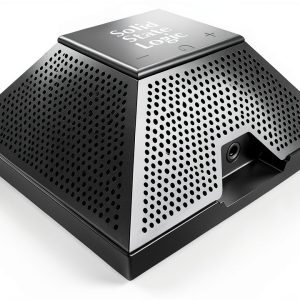 SSL CONNEX USB Microphone Professional Recording Streaming
 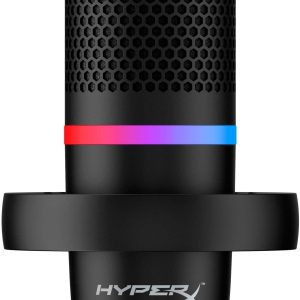 HyperX DuoCast USB Microphone RGB Gaming Streaming
 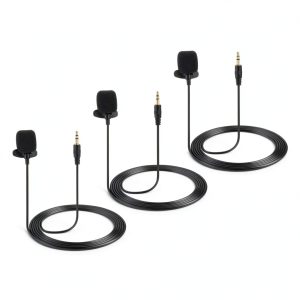 Pavo Condenser Lavalier Lapel Microphone for Guides Teachers
  Movo DOM2-USB Mini Omnidirectional Microphone for Streaming