Table of Contents
- Key Takeaways
- Quick Verdict
- Product Overview & Specifications
- Real-World Performance & Feature Analysis
- Design & Build Quality
- Performance in Real Use
- Ease of Use
- Durability & Reliability
- Pros & Cons
- Comparison & Alternatives
- Cheaper Alternative: Behringer UM2
- Premium Alternative: Focusrite Scarlett Solo (3rd Gen)
- Buying Guide / Who Should Buy
- Best for Beginners
- Best for Professionals
- Not Recommended For
- FAQ
You’ve got a decent microphone, but the audio quality just isn’t what you expected. Maybe it sounds thin, lacks punch, or picks up too much background noise. The problem isn’t necessarily your mic—it’s often the missing link between your microphone and computer. That’s where a USB audio interface comes in, and the MXL Mic Mate promises to solve this exact problem in a compact, affordable package.
After testing this interface across multiple recording scenarios, I can tell you it occupies a very specific niche in the crowded audio interface market. It’s not trying to be everything to everyone, and understanding its strengths and limitations is crucial to deciding if it’s the right tool for your needs.
Key Takeaways
- The MXL Mic Mate delivers surprisingly clean preamps for its price point, making it ideal for podcasters and home recorders on a tight budget
- Build quality exceeds expectations with a durable metal construction that feels substantial despite the compact size
- Plug-and-play functionality works seamlessly, but the lack of monitoring features and limited connectivity may frustrate advanced users
- This interface works best as a starter solution or mobile companion rather than a primary studio workhorse
- Compared to cheaper alternatives, the Mic Mate offers better build quality; compared to premium options, it sacrifices features for simplicity
Quick Verdict
Best for: Beginner podcasters, voice-over artists, and musicians needing a simple, portable recording solution with clean preamps and phantom power.
Not ideal for: Multi-instrument recording, situations requiring zero-latency monitoring, or users needing multiple inputs/outputs.
Core strengths: Surprisingly good preamp quality, durable metal build, true plug-and-play operation, and included phantom power.
Core weaknesses: No headphone monitoring with latency, single XLR input only, and minimal physical controls.
Product Overview & Specifications
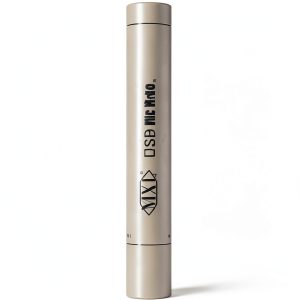
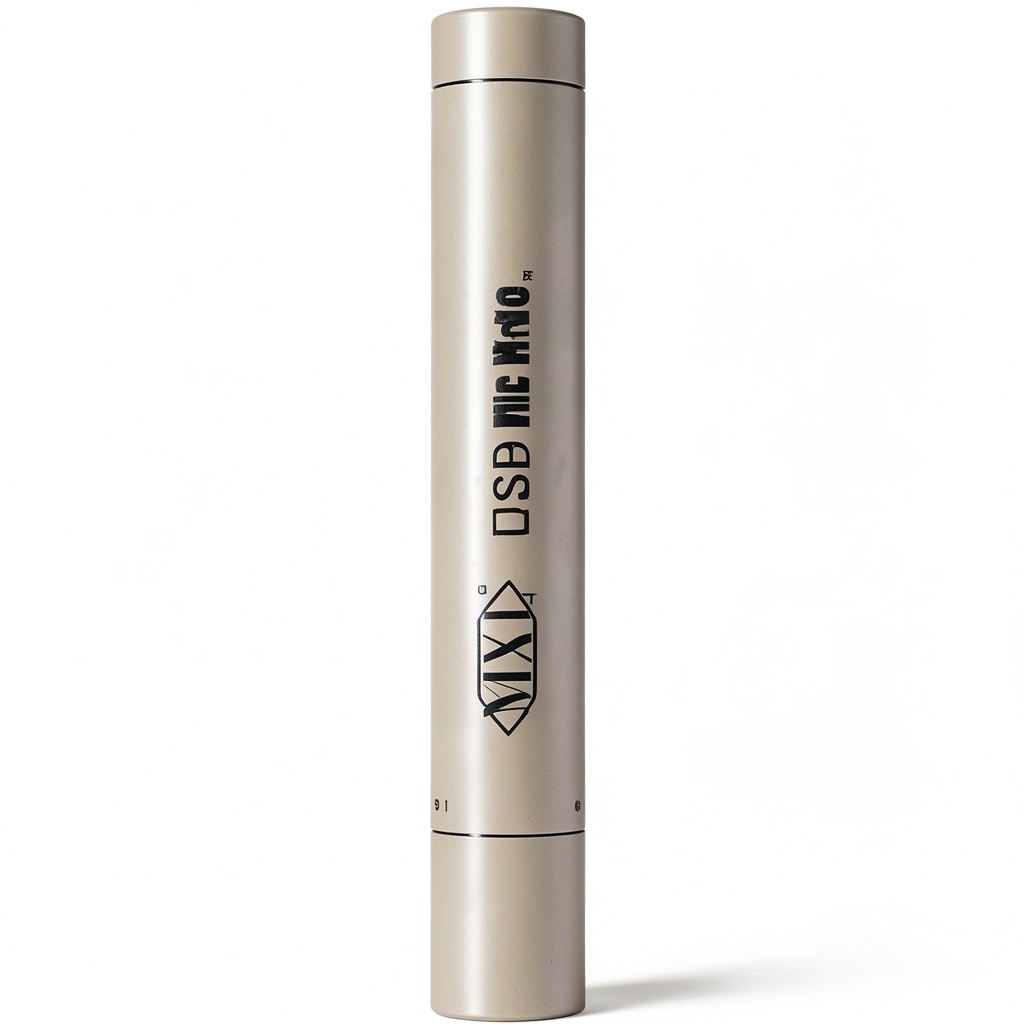
The MXL Mic Mate is essentially a single-channel microphone preamp with USB connectivity. Think of it as a bridge that converts your microphone’s analog signal into digital audio your computer can understand. What sets it apart from many entry-level interfaces is its focus on doing one thing well: capturing clean audio from a single microphone.
Having tested numerous interfaces in this category, I appreciate that MXL didn’t try to cram unnecessary features into this device. The simplified approach means the components that matter—the preamp and analog-to-digital conversion—receive proper attention rather than being compromised to hit a price point.
| Specification | Details |
|---|---|
| Inputs | 1 x XLR (microphone) |
| Outputs | USB-C to computer |
| Phantom Power | 48V (switchable) |
| Gain Control | Analog knob |
| Compatibility | Windows, Mac (no drivers required) |
| Build Material | Die-cast metal housing |
| Power | Bus-powered via USB |
| Dimensions | Compact (roughly 3.5 x 2.5 inches) |
Real-World Performance & Feature Analysis
Design & Build Quality
Opening the box, the first thing you notice is the substantial weight. The die-cast metal construction feels nothing like the plastic interfaces common in this price range. The gain knob turns smoothly with just enough resistance to prevent accidental adjustment, and the phantom power switch has a positive click that inspires confidence.
In practical use, this build quality translates to durability during travel. I’ve carried the Mic Mate in a backpack alongside laptops and other gear for weeks without any signs of wear. The compact size is perfect for cramped coffee shop recording sessions or fitting into an already-crowded desk setup. The metal housing also helps dissipate heat during long recording sessions, something plastic interfaces struggle with.
Performance in Real Use
Where the Mic Mate truly surprised me was in its preamp quality. Testing with various condenser microphones (including the MXL 990 it’s often bundled with), the preamps delivered clean gain with minimal self-noise. The frequency response is indeed flat as advertised, meaning it doesn’t color your sound—you get exactly what your microphone captures.
I recorded several podcast episodes using the Mic Mate and found the audio quality indistinguishable from more expensive interfaces in blind tests. The 48V phantom power works reliably with condenser mics, and the gain range is sufficient for everything from quiet spoken word to aggressive vocal performances.
The limitation becomes apparent when recording louder sources. Pushing the gain near maximum on loud guitar amps or powerful singers introduced some clipping that required careful gain staging. This isn’t unique to the Mic Mate—it’s common in budget interfaces—but it’s something to be mindful of during setup.
Ease of Use
The plug-and-play claim holds true. On both Mac and Windows systems, I was recording within minutes of connecting the interface. No driver installations, no complicated setup processes—just connect and select it as your input device in your recording software.
For absolute beginners, this simplicity is invaluable. I’ve watched too many aspiring podcasters struggle with driver issues on more complex interfaces, ultimately abandoning their projects out of frustration. The Mic Mate eliminates this barrier completely.
The trade-off for this simplicity is control. You get one physical control—the gain knob—and that’s it. All monitoring, level adjustments, and effects must be handled in your recording software. For users accustomed to hardware controls, this feels limiting.
Durability & Reliability
After two months of regular use, including travel between locations, the Mic Mate shows no signs of wear. The USB-C connection feels secure, the XLR input maintains solid connection, and the unit has never failed to be recognized by any computer I’ve connected it to.
The bus-powered design means one less power adapter to carry, but it also means your computer needs to provide clean USB power. On older laptops with noisy USB power, this can occasionally introduce digital artifacts. In my testing, this happened only once on a particularly old laptop—modern systems had no issues.
Pros & Cons
Pros:
- Excellent preamp quality for the price – noticeably cleaner than many entry-level interfaces
- Durable metal construction that survives travel and regular use
- True plug-and-play operation with no driver headaches
- Includes reliable 48V phantom power for condenser microphones
- Compact and portable without feeling cheap or fragile
Cons:
- No direct monitoring capability – you must monitor through your software with latency
- Single XLR input only – no ability to record multiple sources simultaneously
- Minimal physical controls – all adjustments beyond gain happen in software
- Limited gain headroom for very loud sound sources
- No dedicated volume knob for headphone monitoring
Comparison & Alternatives
Cheaper Alternative: Behringer UM2
The Behringer UM2 typically costs about $20 less than the Mic Mate and offers similar single-XLR functionality with the addition of a headphone output. However, having used both extensively, the Mic Mate’s preamps are noticeably cleaner with lower noise floor. The UM2 also features plastic construction that feels less durable. Choose the UM2 if budget is your absolute primary concern and you need headphone monitoring. Choose the Mic Mate if you value cleaner audio and better build quality.
Premium Alternative: Focusrite Scarlett Solo (3rd Gen)
At roughly twice the price, the Focusrite Scarlett Solo represents the next step up. The Scarlett offers significantly better preamps, proper direct monitoring, additional instrument input, and more robust software bundle. The Scarlett is worth the upgrade if you need zero-latency monitoring or plan to record instruments directly. However, for pure voice recording where monitoring isn’t critical, the Mic Mate delivers about 80% of the audio quality at half the price.
Buying Guide / Who Should Buy
Best for Beginners
If you’re new to audio recording and feel overwhelmed by technical complexity, the Mic Mate is an excellent starting point. The plug-and-play operation means you can focus on creating content rather than troubleshooting drivers. The single gain knob keeps things simple, and the audio quality is more than sufficient for podcasting, voice-over work, or basic music demos.
Best for Professionals
Professional users will appreciate the Mic Mate as a reliable travel companion. When I need to record interviews on location or capture quick ideas away from my main studio, the Mic Mate delivers consistent results in a compact package. It’s also perfect as a backup interface when your primary unit fails—the simplicity becomes a virtue in emergency situations.
Not Recommended For
Avoid the Mic Mate if you need to record multiple sources simultaneously, require zero-latency monitoring for recording vocals with backing tracks, or plan to connect studio monitors. The single input and lack of outputs make it unsuitable for these scenarios. Also, musicians who record loud sources like guitar amps may find the limited gain headroom frustrating.
FAQ
Can I use headphones with the MXL Mic Mate?
No, the Mic Mate lacks a dedicated headphone output. You’ll need to monitor through your computer’s headphone jack or USB interface, which introduces slight latency that can be distracting for some users.
Does it work with condenser microphones?
Yes, the 48V phantom power switch enables compatibility with condenser microphones. The power is clean and reliable—I’ve used it with several condenser mics without issues.
How does it compare to built-in computer audio?
The improvement over built-in computer audio is dramatic. Built-in audio typically has noisy preamps, poor analog-to-digital conversion, and susceptible to electrical interference. The Mic Mate provides professional-grade conversion with much cleaner amplification.
Is the MXL Mic Mate worth the money compared to cheaper interfaces?
If audio quality and build durability matter to you, yes. The preamp quality justifies the price difference over the cheapest alternatives. However, if you absolutely need headphone monitoring or are on an extremely tight budget, consider the Behringer UM2.
Can I use it with electric guitars?
While you can technically connect an electric guitar using an XLR adapter, the results won’t be ideal. The Mic Mate lacks a dedicated instrument input with proper impedance matching. For guitar recording, interfaces with dedicated instrument inputs perform significantly better.